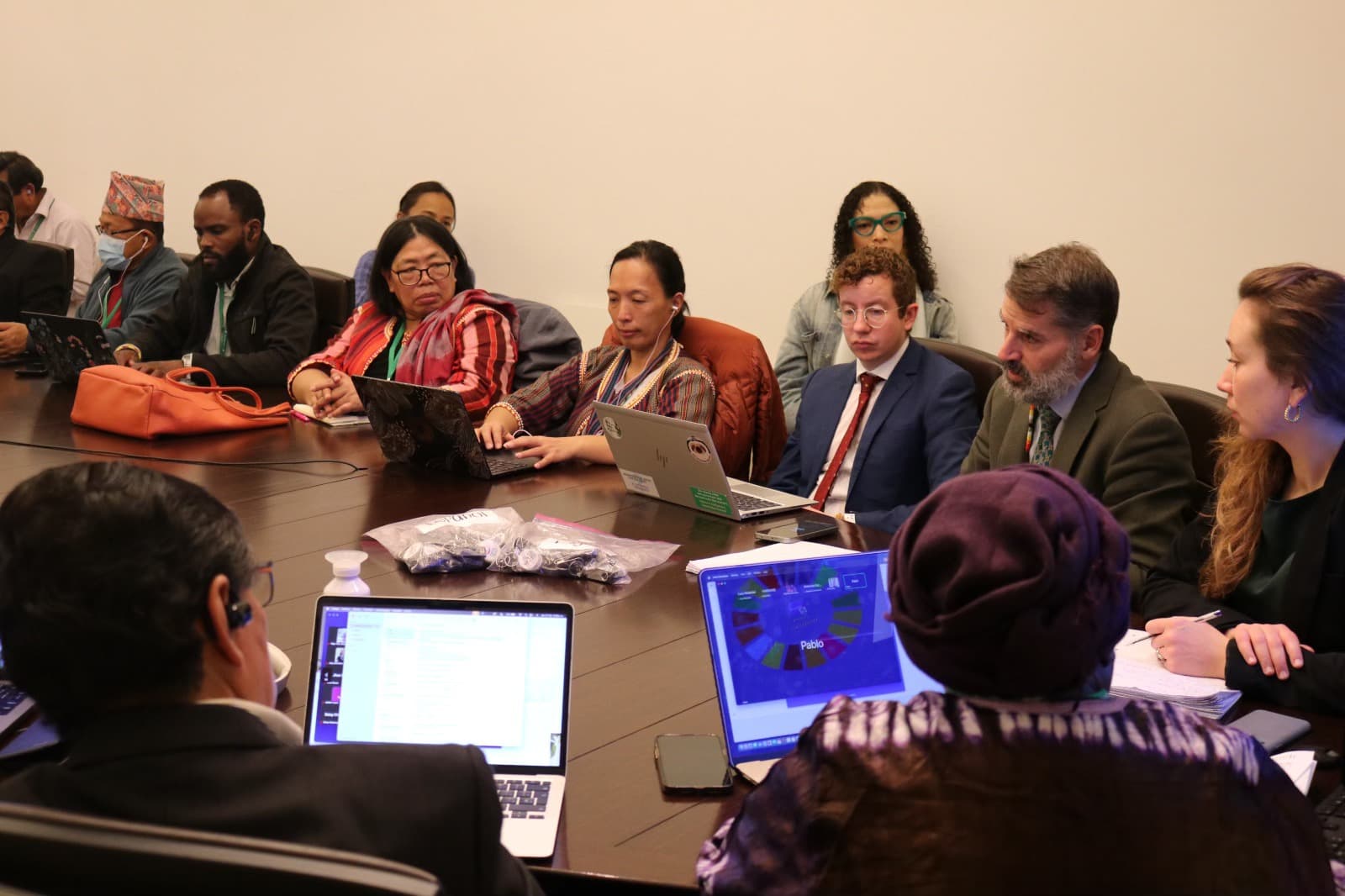
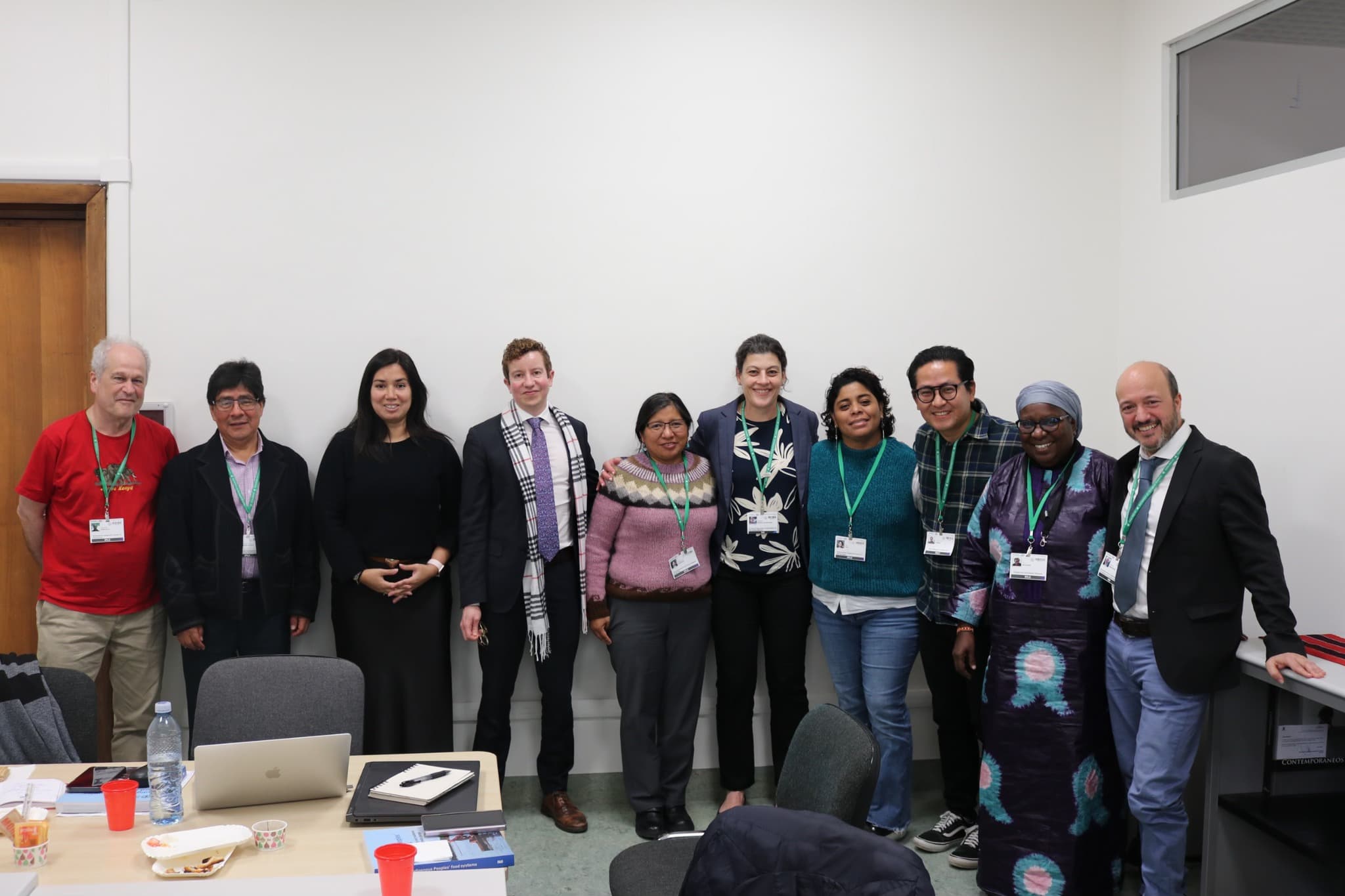
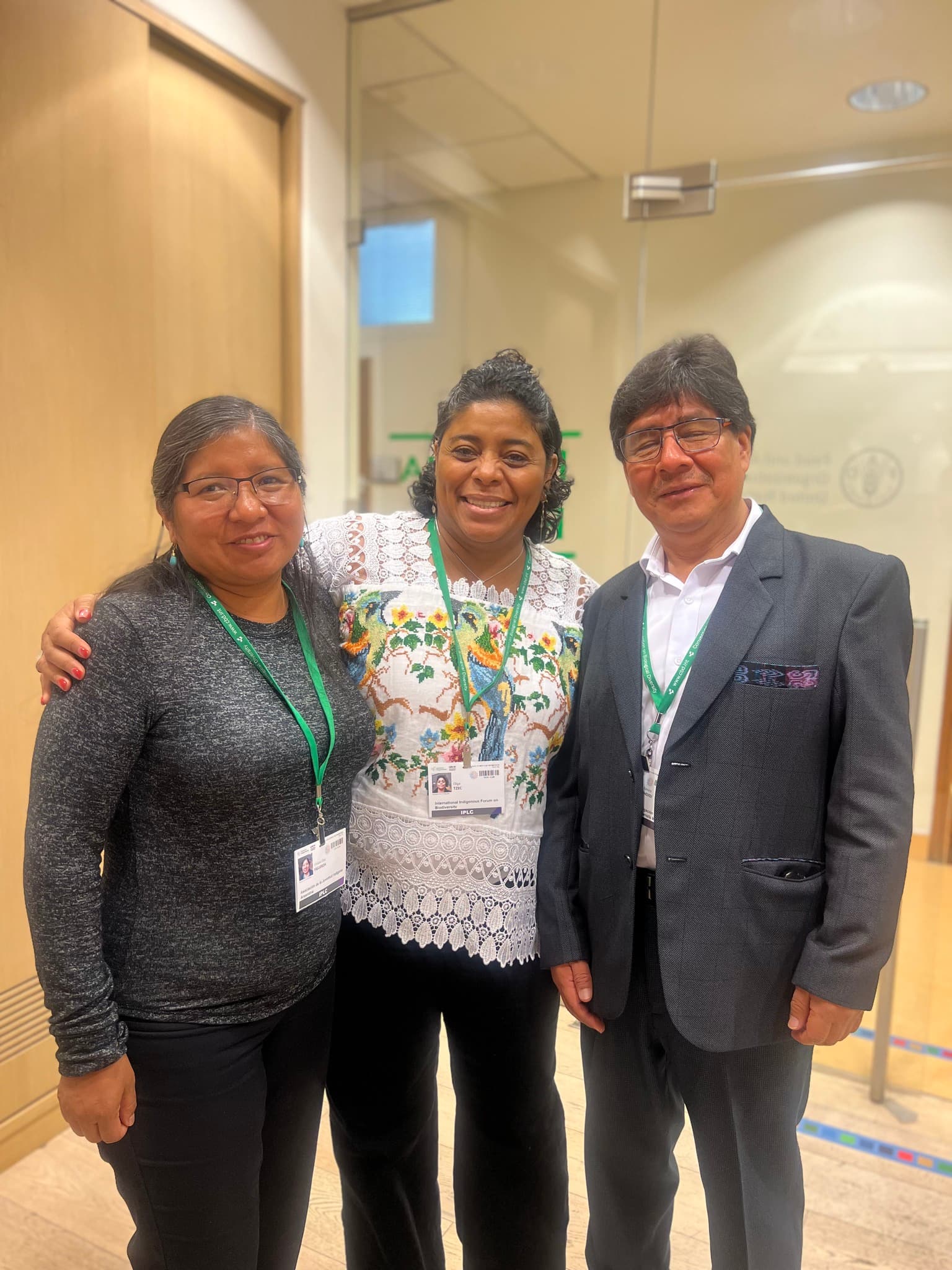
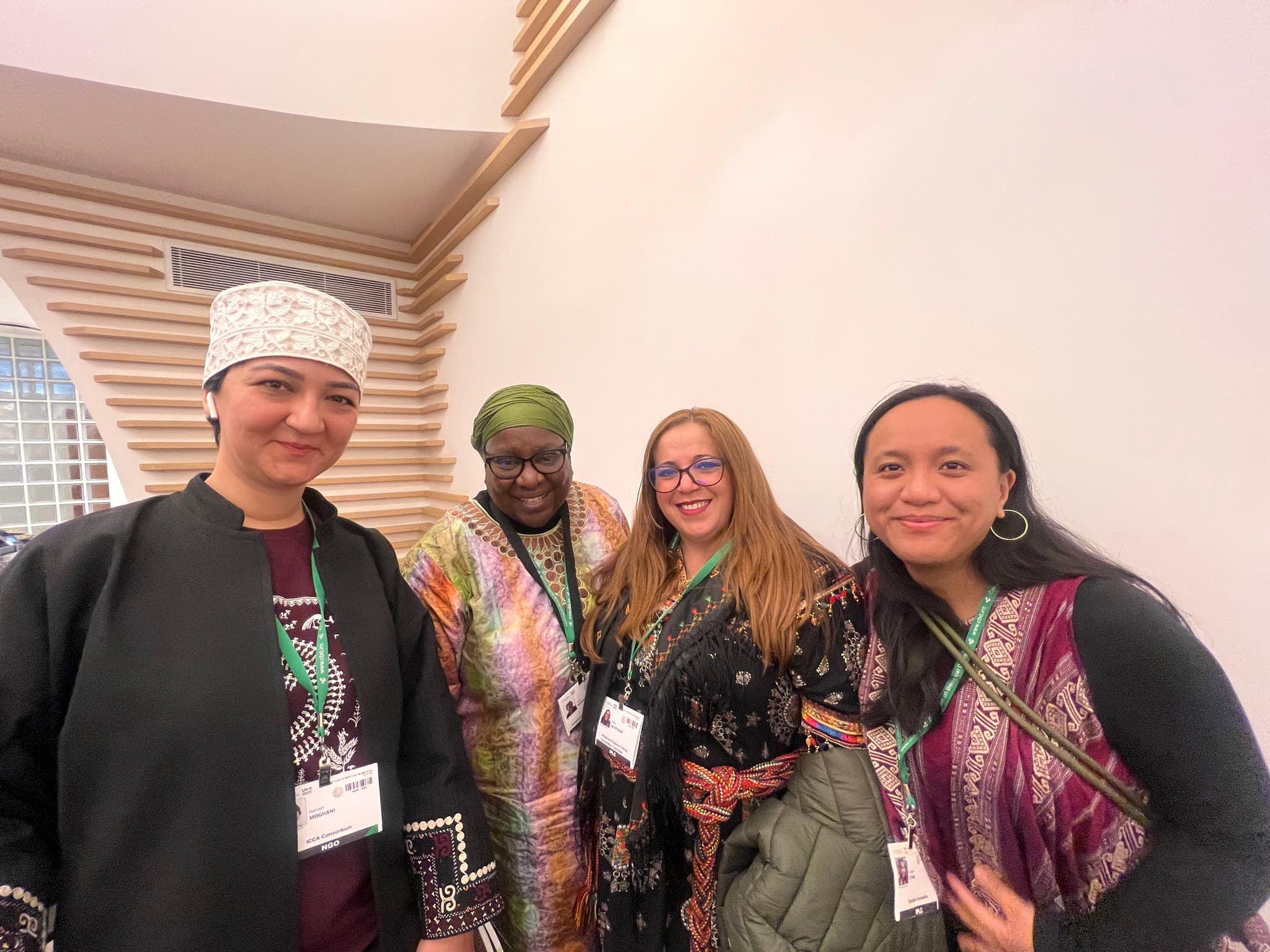
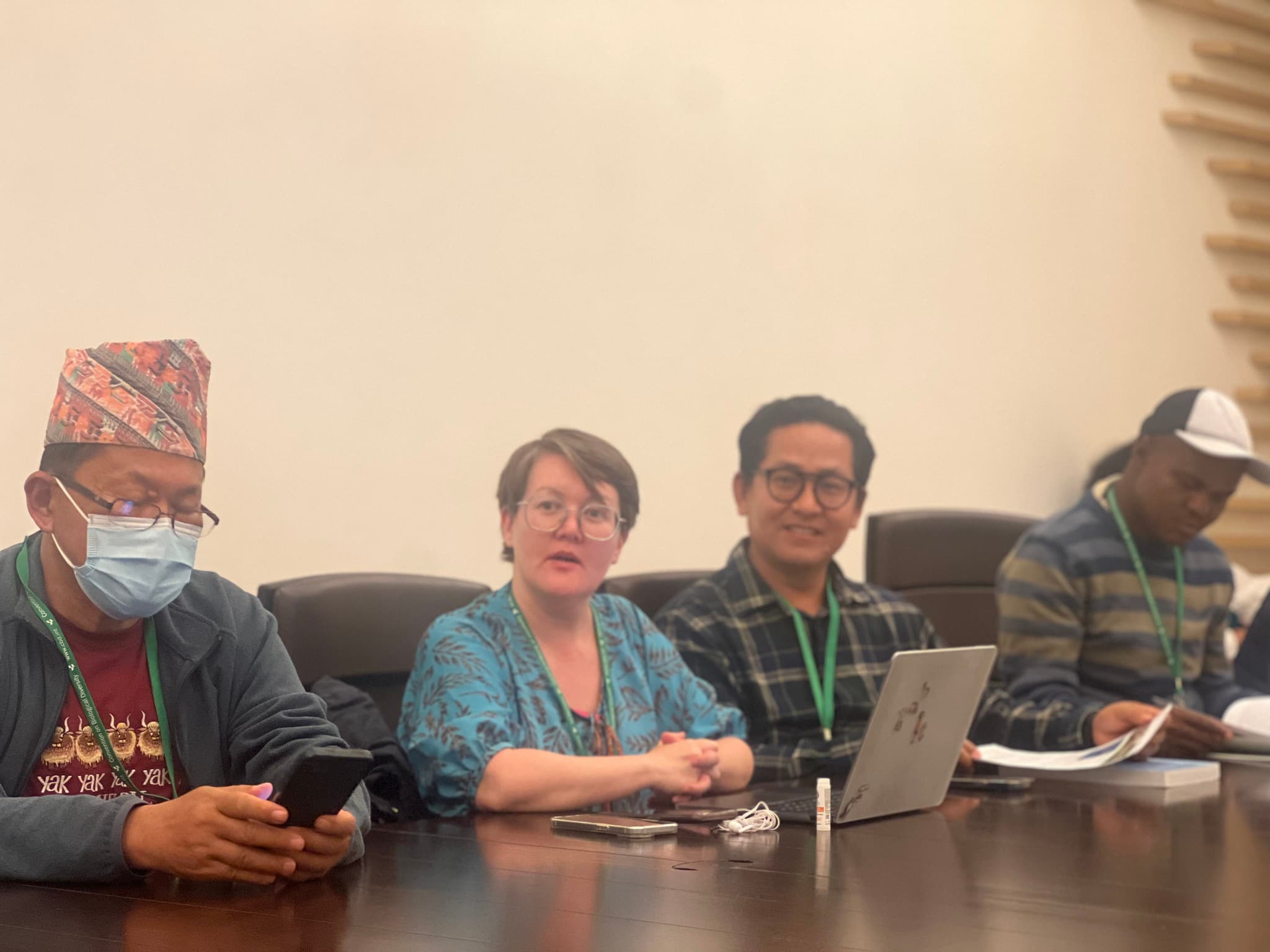
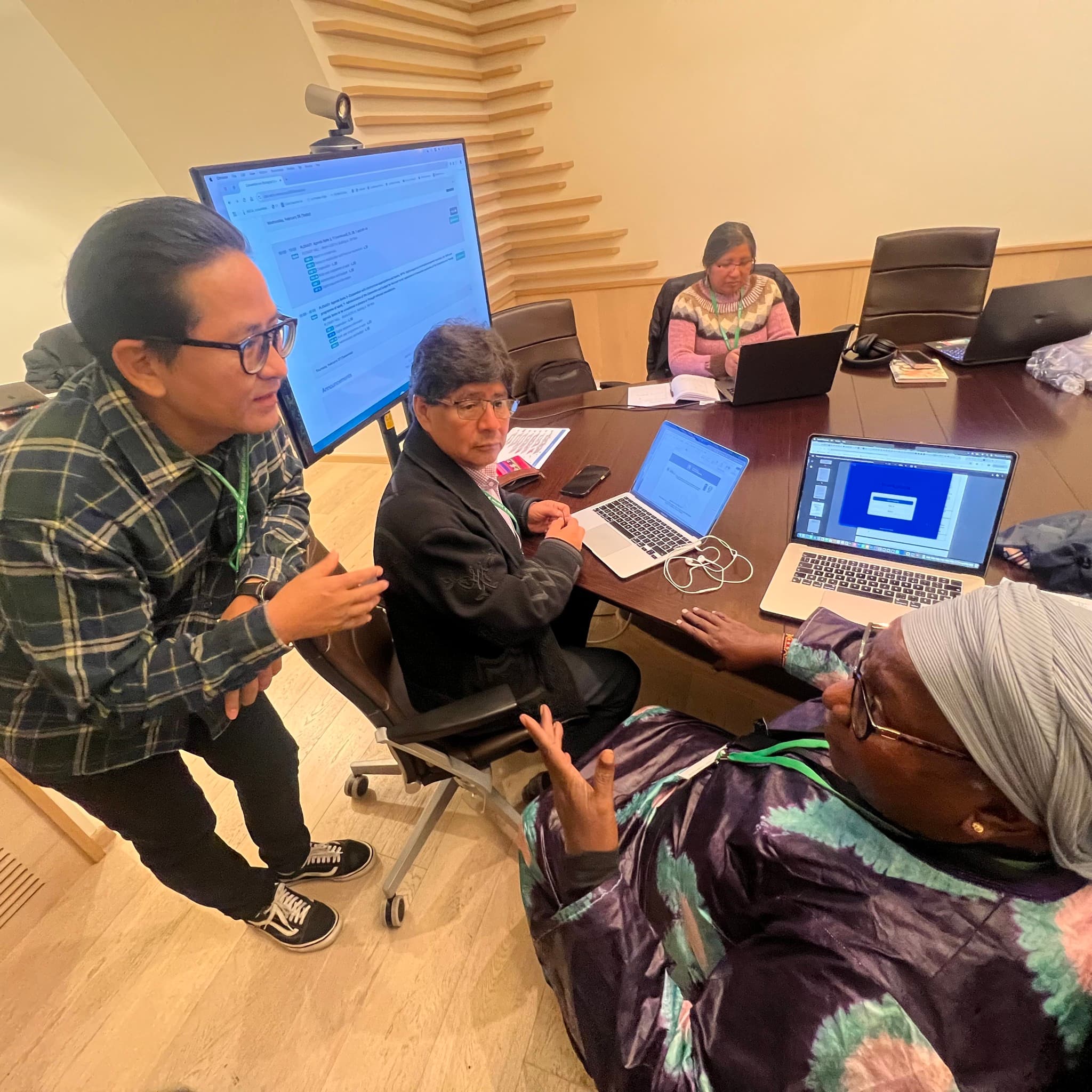
Rome, 27 February 2025 – During CBD COP 16.2, the Indigenous Peoples Unit (PSUI) of the FAO held a meeting with the International Indigenous Forum on Biodiversity (IIFB), representing all seven socio-cultural regions of the world. The meeting focused on how both IIFB and FAO could work together in areas of Indigenous Peoples’ food and knowledge systems and the conservation and sustainable use of biodiversity.
After the initial greetings from the co-chairs of the IIFB, Ramiro Batzin and Lucy Mulenkei, who strengthened the interest of the IIFB to continue working with the FAO in the recognition of the role of Indigenous Peoples in addressing biodiversity loss, soil degradation and climate change. Yon Fernandez de Larrinoa, head of the Indigenous Peoples Unit, put the stress on the importance for the FAO to strengthen the joint work with the IIFB, as the upcoming work in the frame of the implementation of the Programme of Work on Article 8(j) and different initiatives such as the FAO Indigenous Peoples’ biocentric restoration programme or the work of the Global Hub on Indigenous Peoples’ Food Systems.
The FAO Indigenous Peoples Unit is working for the mainstreaming inside the organisation of the term “Indigenous Peoples’ food and knowledge systems”. Indeed, in these thousands-year old systems, food production and generation are inextricably linked with Indigenous Peoples’ knowledge. One can’t stand without the other. And this is why the preservation and transmission of Indigenous Peoples’ knowledge is so important, as the interventions from IIFB members highlighted.
The discussion also touched upon biodiversity conservation and restoration, since the meeting took place on the sidelines of the CBD COP 16.2, occurring in FAO Headquarters (Rome) from the 24-28 February. FAO Indigenous Peoples Unit shared insights on its global programme on Indigenous Peoples’ Biocentric Restoration: a way to restore ecosystems that puts at its centre Indigenous Peoples’ knowledge and cosmovision. It is a global programme designed with Indigenous Peoples, where they also take the lead to implement it on the field.
In addition, the meeting went through other areas of the potential joint work between FAO and Indigenous Peoples. Areas that concern food production and consumption, and their strong links with health and sustainability. In particular, the Indigenous Peoples Unit shared its ongoing work on the amendment of the Code of Conduct on Pesticides Management, and called for Indigenous Elders to help to stop the use of harmful pesticides in their territories. It will be a joint effort, with the Indigenous Peoples Unit working on policy tables and Indigenous Peoples working on their lands.
The impact of ultra-processed foods on Indigenous Peoples’ health is also an issue of concern for FAO. The Global-Hub on Indigenous Peoples’ Food Systems, an innovative think tank that gather Indigenous and non-Indigenous researchers, is currently working on this issue. And this will also be one of the items for discussion during the 2025 UN Global Indigenous Youth Forum (UNGIYF), which will gather more than 200 Indigenous Youth from the seven socio-cultural regions to discuss their challenges, priorities and proposals. FAO, which holds the secretariat of the UNGIYF, extends the invitation to apply for the Forum to the Indigenous Youth who are part of the IIFB networks.
FAO Indigenous Unit reiterated the interest in working together with the IIFB and see possible ways to formalize the joint collaboration.
Text courtesy of FAO Indigenous Peoples Unit